
How to Clean Jewellery: The Do’s and Don’ts
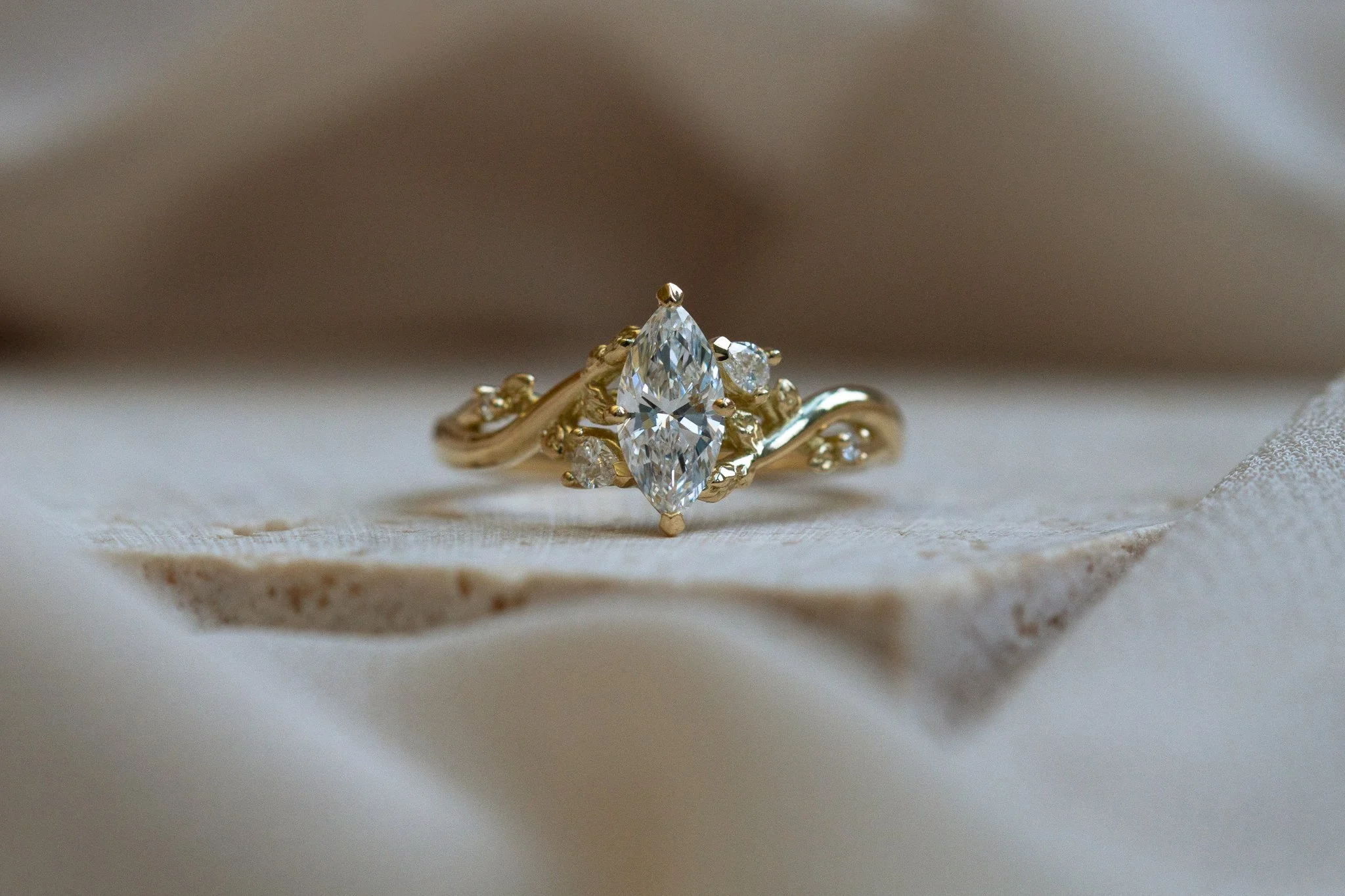
Let’s debunk jewellery cleaning. Over the years, I’ve heard countless cleaning techniques — some surprisingly effective, and others that genuinely make me wince.
When you start researching how to clean jewellery, you’ll quickly find an overwhelming number of products claiming to be the perfect solution. This includes the ever-mighty ultrasonic cleaner. In this blog, I’ll separate fact from fiction, share a few essential truths, and explain the safest, most effective ways to clean your jewellery without causing damage.
Baking Soda and Jewellery CleaningBaking soda is often recommended as a mild, non-toxic abrasive for cleaning jewellery, but it must be used with care.
This method is only suitable for solid gold and solid silver jewellery. Baking soda is not safe for soft or porous gemstones, and it should never be used on plated jewellery, fashion jewellery, or costume pieces. These types of jewellery simply won’t withstand the abrasive nature of baking soda and can be permanently damaged.
If you do choose to clean solid gold or silver jewellery with baking soda, it’s essential to rinse the piece thoroughly with warm water afterwards. Any residue left behind can dull the metal or collect in settings. Make sure all moisture is completely dried, particularly in claws and hidden areas, to prevent long-term damage.
Jewellery Cleaning via Vodka or Gin SoakingSoaking jewellery in vodka or gin is a technique I hear about often from clients. While high-proof alcohol can help break down natural skin oils, lotions, and everyday grime, it should be used with caution.
This method is generally safe for solid metal jewellery and diamonds, but it is not suitable for porous gemstones such as pearls and opals. Alcohol can dehydrate these stones, leading to surface damage, dullness, or cracking.
Vodka or gin soaking can also be risky for vintage and antique jewellery, particularly pieces with closed-back settings. Liquid can become trapped inside the setting, potentially causing long-term damage or weakening the structure of the piece
Cleaning Tarished Silver JewellerySilver is a tough old cookie. However, it naturally oxidises when it’s not worn regularly and is left exposed to air — often showing up as that familiar dark or blackened finish on jewellery left sitting on a dish.
There are a few effective ways to remove tarnish from silver jewellery. A professional anti-tarnish jewellery cloth is one of my favourite options and is ideal for regular maintenance. Brands such as Town Talk (linked here) are excellent and safe when used correctly. They also offer silver cleaning dips, which can work wonders, but these should be used with caution.
Silver dips are not suitable for porous gemstones, plated jewellery, or pieces with fractures, and I would advise avoiding them unless you are completely confident your piece can withstand the process. When used incorrectly, dips can cause irreversible damage
Ultrasonic Cleaning:Is It Safe to Clean Jewellery?Ultrasonic cleaners are widely used by professional jewellers and workshops. They’re one of the most effective ways to remove dirt from hard-to-reach areas and can make jewellery look instantly brighter and like new again.
However — and this is a big however — ultrasonic cleaners are not safe for all jewellery.
While most precious metals tolerate ultrasonic cleaning well, many gemstones are far too delicate. In some cases, the heat and intense vibrations can cause serious damage. You could place a piece into an ultrasonic cleaner and remove it to find that your gemstone has cracked, loosened, or in extreme cases, completely disintegrated.
Gemstones That Should Not Go in an Ultrasonic CleanerAs a rule, gemstones that are soft, porous, treated, filled, fractured, or organic are at high risk when cleaned ultrasonically.
Below is a list (not exhaustive) of gemstones I strongly recommend avoiding ultrasonic cleaning:
Opals
Emeralds
Turquoise
Tsavorite
Moonstone
Kunzite
Coral
Lapis Lazuli
Tanzanite
Topaz
Onyx
Ivory
Pearls
Peridot
Amber
Zircon
I would also avoid placing any gemstone with visible fractures or inclusions into an ultrasonic cleaner — even if it isn’t listed above.
Ultrasonic Cleaners and Vintage JewelleryVintage and antique jewellery requires particular care. Over time, dirt can build up inside settings and, surprisingly, this debris can sometimes help stabilise stones. When that dirt is removed in an ultrasonic cleaner, stones — particularly diamonds — may loosen or fall out entirely, either during cleaning or later when worn.
Should You Use an Ultrasonic Cleaner at Home?In short: unless you are a trained jeweller with in-depth gemstone knowledge, or you are absolutely certain your piece is structurally sound, I recommend avoiding ultrasonic cleaners altogether.
When it comes to jewellery cleaning, gentle methods and professional advice are always the safest way to protect both your gemstones and their settings.
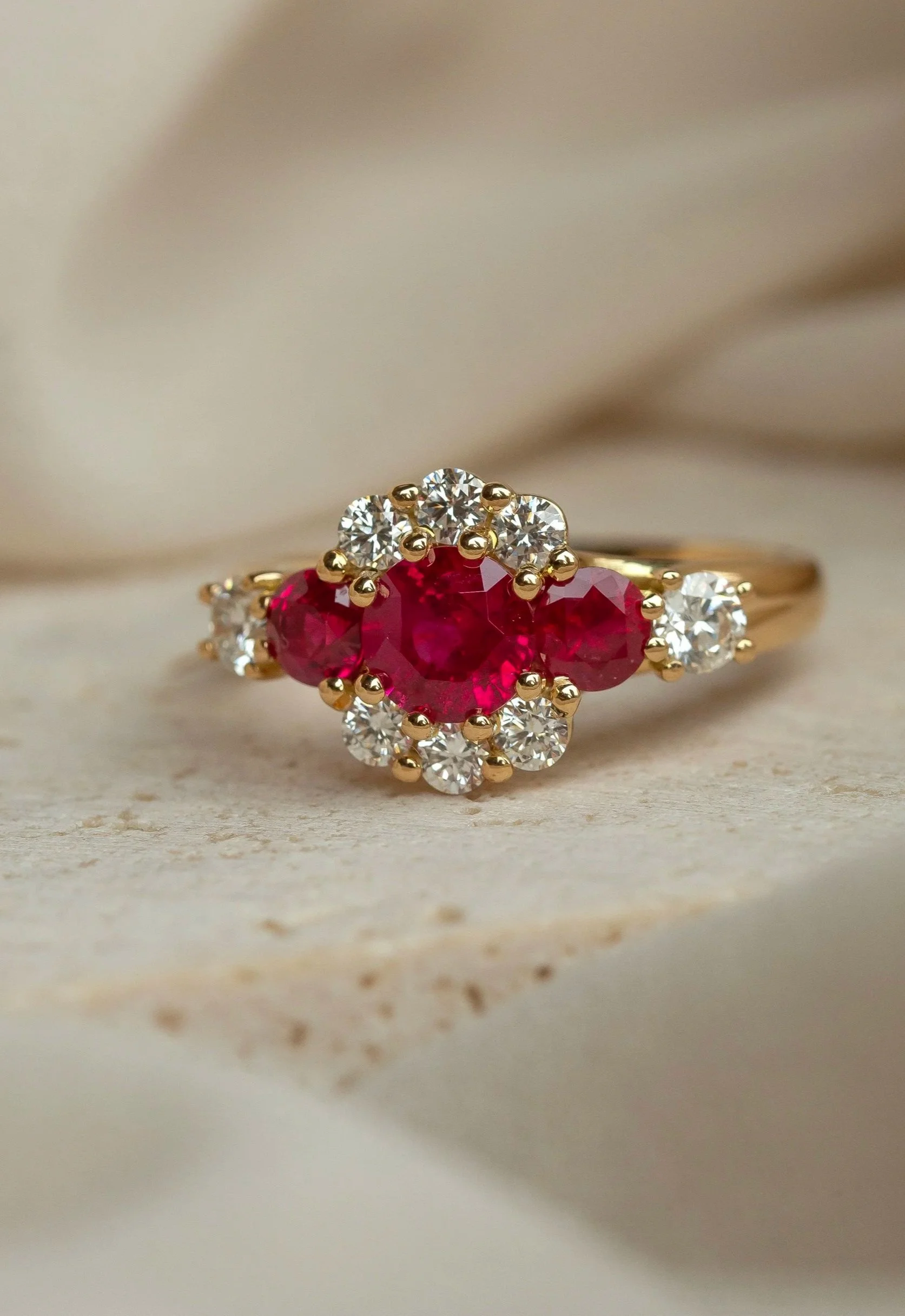
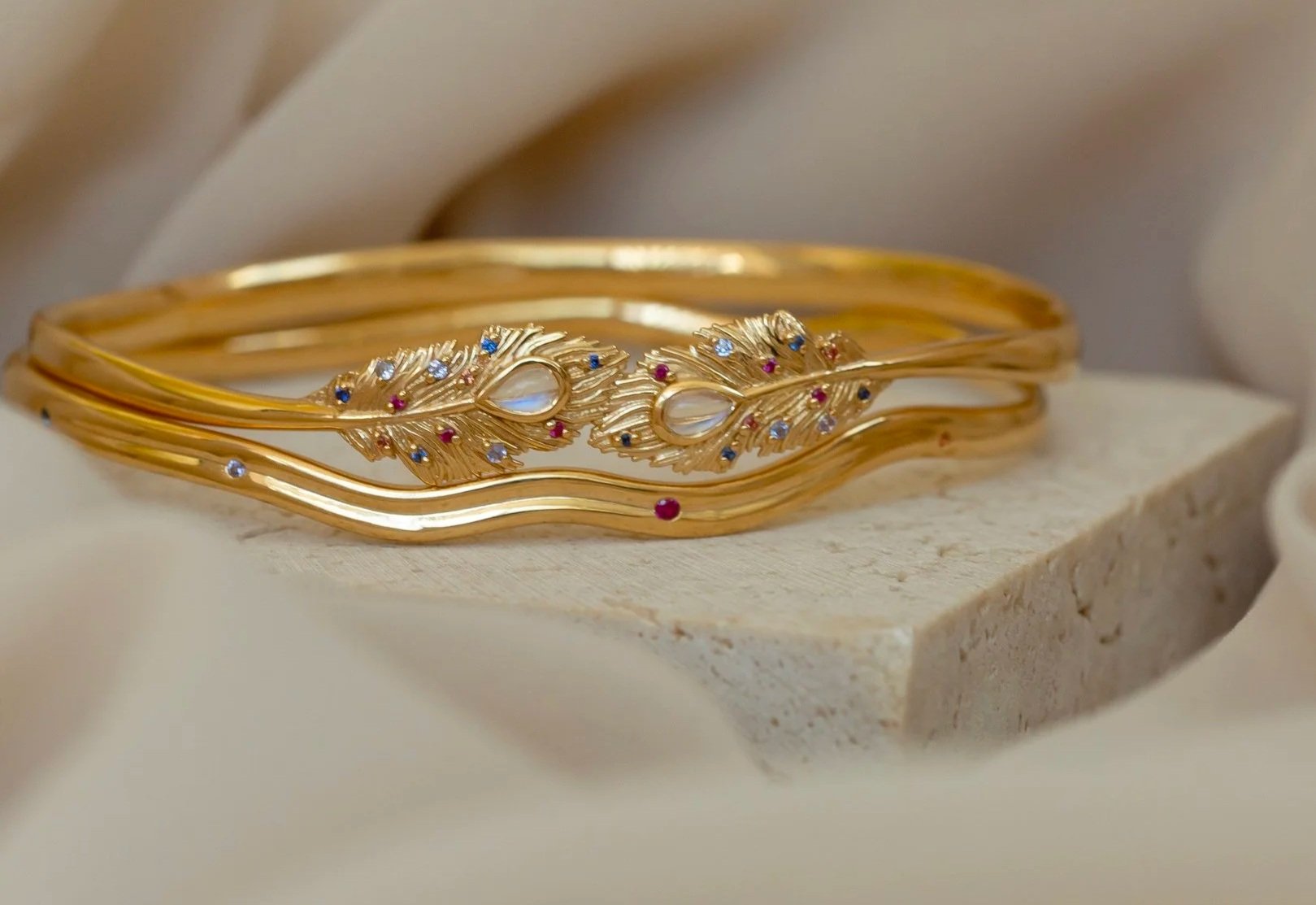
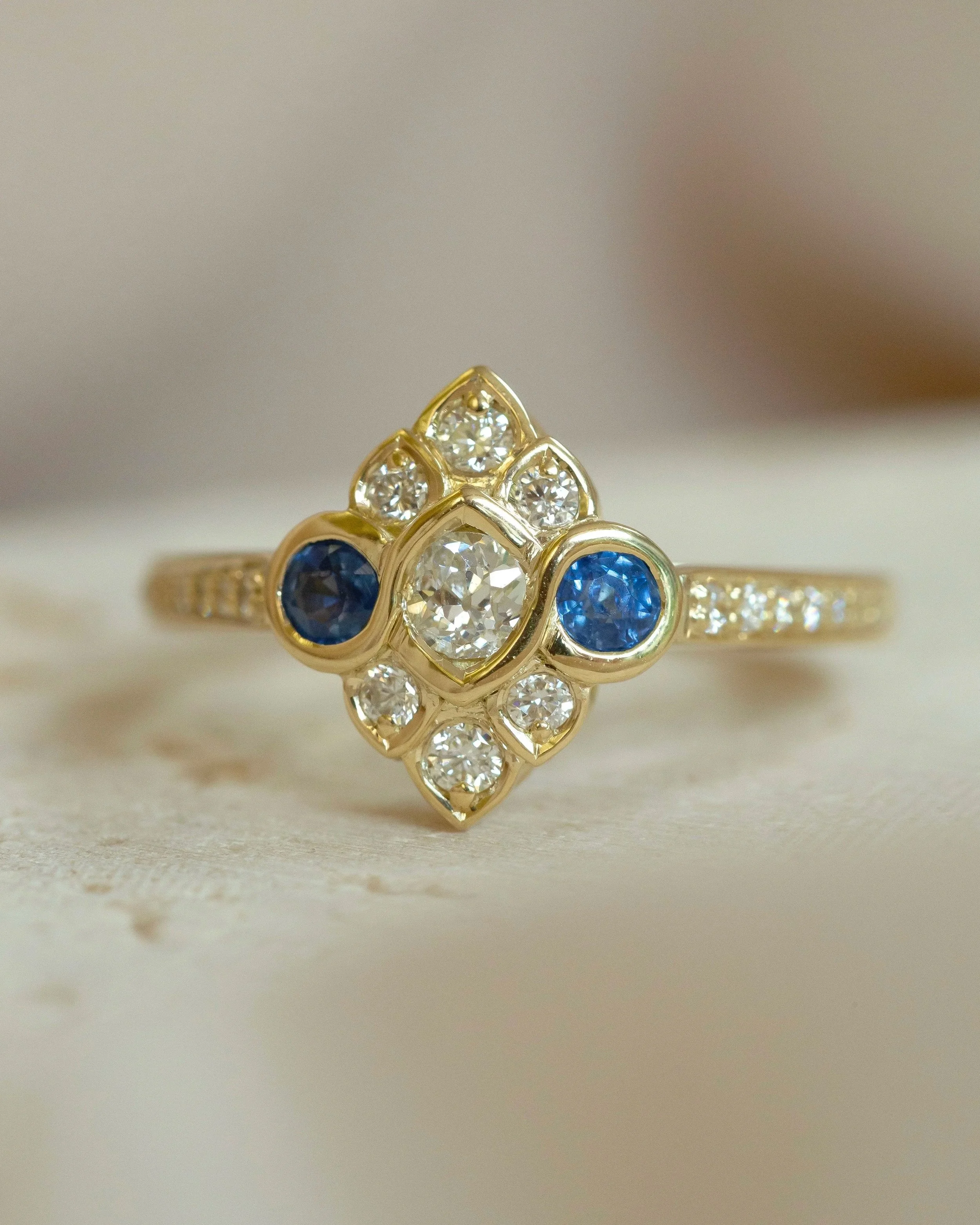
My advice for cleaning jewellery at home…..
Washing-Up Liquid, Warm Water & an Old ToothbrushDespite all the fancy cleaning methods available, the safest, most reliable way to clean jewellery at home is refreshingly simple:
warm water, a small amount of washing-up liquid, and an old soft toothbrush.
For pieces with heavy dirt or grime, allow the jewellery to soak for around 10 minutes first to help loosen debris. Gently brush into intricate areas, rinse thoroughly, and dry completely — paying close attention to claws and hidden settings where moisture can linger.
If you’re ever unsure, take your jewellery to a local professional jeweller. Not only can they clean your piece safely, but they can also polish it, restoring its shine and making it look like new.
Final Thoughts on Cleaning Jewellery SafelyWhen it comes to cleaning jewellery at home, there is no single method that suits every piece. Precious metals, gemstones, and vintage jewellery all require different levels of care, and using the wrong cleaning technique can cause permanent damage. Gentle cleaning methods and professional advice go a long way in protecting your jewellery and keeping it looking its best for years to come. If you’re ever unsure how to clean gold jewellery, silver jewellery, or gemstone pieces safely, your local jeweller is always the best place to start. Proper jewellery care not only preserves beauty and value — it ensures your most meaningful pieces can be enjoyed for generations.