
The Truth About “The Average Wedding Ring Spend” (And Why It’s Misleading)
Recently, I found myself in a bit of a debate after seeing a statistic shared by Bridebook claiming that the average spend on wedding rings and wedding jewellery is £1,057.
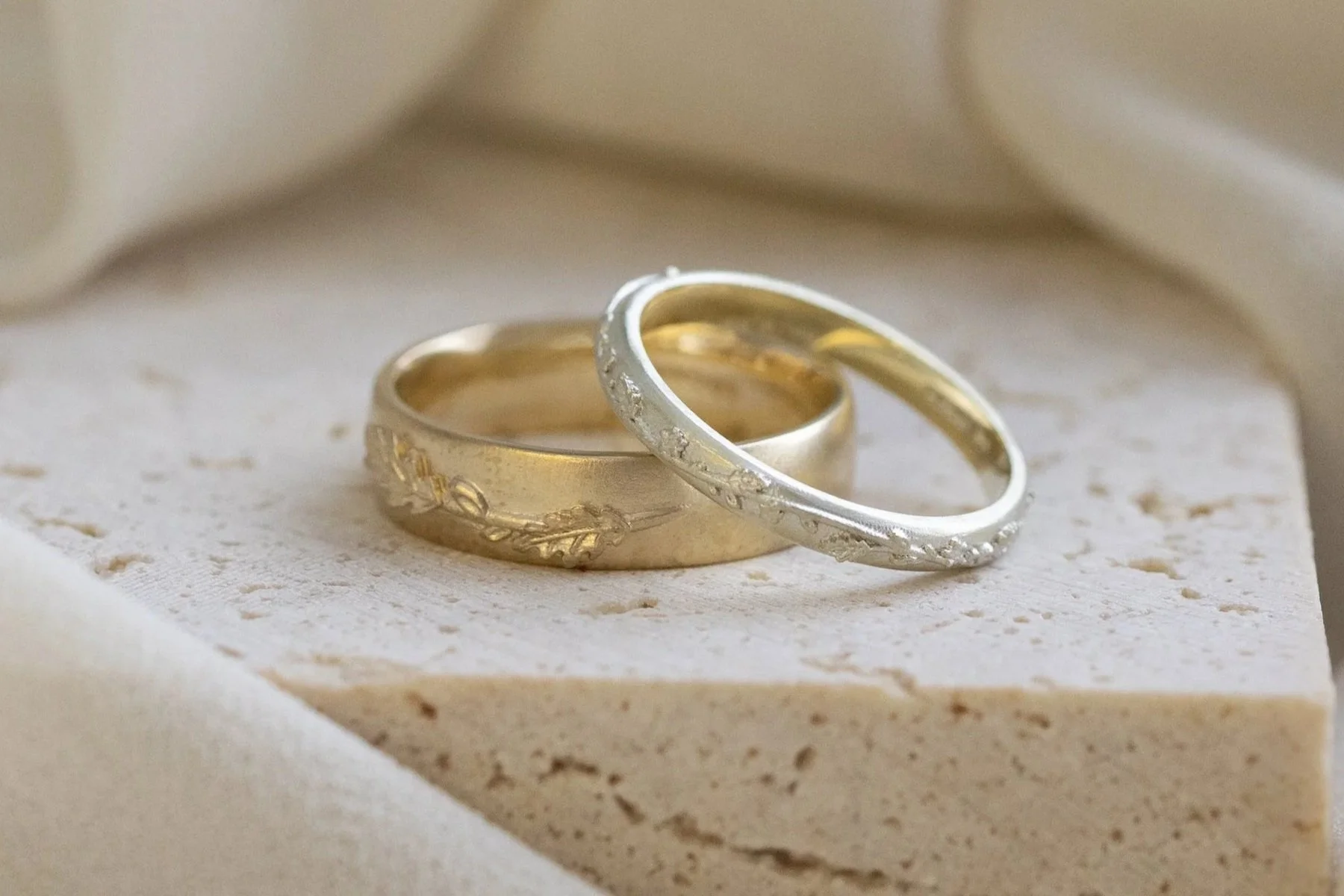
At first glance, this looks.. off!
Especially in today’s climate, where metal prices are at some of the highest levels we’ve seen, it’s hard to reconcile that figure with the reality of what it actually costs to make well-crafted, long-lasting wedding rings. But here’s the thing — that number isn’t necessarily wrong. It’s just incomplete.
Yes, you can buy wedding rings for £1000.
One of the most common responses in the debate was: “You can easily buy two rings on the high street for £1,000.”
And that’s true. There are plenty of retailers offering wedding rings at that price point. Typically, these will be:
9ct gold
Lightweight in construction
Mass-produced
Sold with minimal technical detail
Not design led to fit your engagement ring perfectly (should you need one made to fit)
For many couples, this works. Not everyone has a large budget for rings, and priorities differ — especially when planning a wedding.
And that’s completely valid.
What That “Average” Doesn’t Tell YouWhat concerns me — and always has — is what sits behind those lower price points.
In my years working within the jewellery trade, retail and as a bespoke jewellery designer/maker, I’ve seen first-hand how misleading product descriptions can be. Many high street and online retailers will advertise rings as “heavy weight” or “extra heavy weight”, yet provide no actual product specifications such as:
Depth of band
Metal weight in grams
Structural durability
Often, only the width is listed — which tells you very little about how that ring will wear over time. And this matters.
Because rings at a lower price point are often thinner than they appear, meaning they are far more prone to:
Wearing down over time
Losing shape
Cracking or thinning to the point of needing replacement
I’ve personally remade countless engagement and wedding rings over the years for this exact reason.
Wedding Rings Are Made for LifeUnlike most jewellery, wedding rings aren’t occasional pieces. They are to be worn:
Everyday
Through every season of life
Through work, home life, holidays - everything!
They are, in many ways, the most important and sentimental pieces you will ever own.
Which is why durability isn’t a luxury — it’s essential.
A More Realistic Budget for your wedding rings (From Experience)Based on 20 years in the industry, and taking into account current metal prices, a more realistic guide for well-made, long-lasting wedding rings would be:
£750 - £2500 per ring
Around £1500 per ring on average
£1500 - £5000 for a pair
The lower end typically covers simpler designs in 9ct gold, while the higher end reflects:
Heavier weight rings
18ct gold or platinum
More intricate or bespoke designs
Of course, there are many factors that influence cost.
What Actually Affects the Price of Your Rings?When designing or choosing wedding rings, there are several key considerations that directly impact budget:
Matching your engagement ring metal - your rings need to wear the same, i.e 18ct should sit next to 18ct
The overall design and style
Comfort, width and depth
Whether both rings need to match
Choice of metal (9ct, 14ct, 18ct, Platinum etc)
Finish and detailing
There are also alternative materials such as titanium or wood, but from a longevity perspective, these come with limitations — for example, titanium cannot be resized, and wood can be prone to splitting over time.
Not Everyone Has a Big Budget — And That’s OkayThis is really important to say. Not everyone can — or wants to — spend thousands on wedding rings.
And that’s something I completely respect.
In fact, it’s one of the reasons I built my business the way I did. Coming from a working-class background in South Wales, it was always important to me that bespoke jewellery felt accessible — not exclusive.
There are always options, such as:
Remodelling inherited and sentimental gold (or just gold you have sitting in your jewellery box, it doens’t need to mean anything!)
Adapting designs to suit budgets
Making thoughtful metal choices
With the right approach, it’s absolutely possible to create something beautiful and meaningful at a lower price point.
My Advice to Couples Planning Their RingsIf you’re currently budgeting for your wedding rings, my advice would be, start with a little more flexibility, if you can. Setting an initial budget of around £3,000 gives you the space to:
Explore your options properly
Understand the differences in quality
Make informed decisions
You may spend less than £3000 — but you won’t feel restricted from the outset.
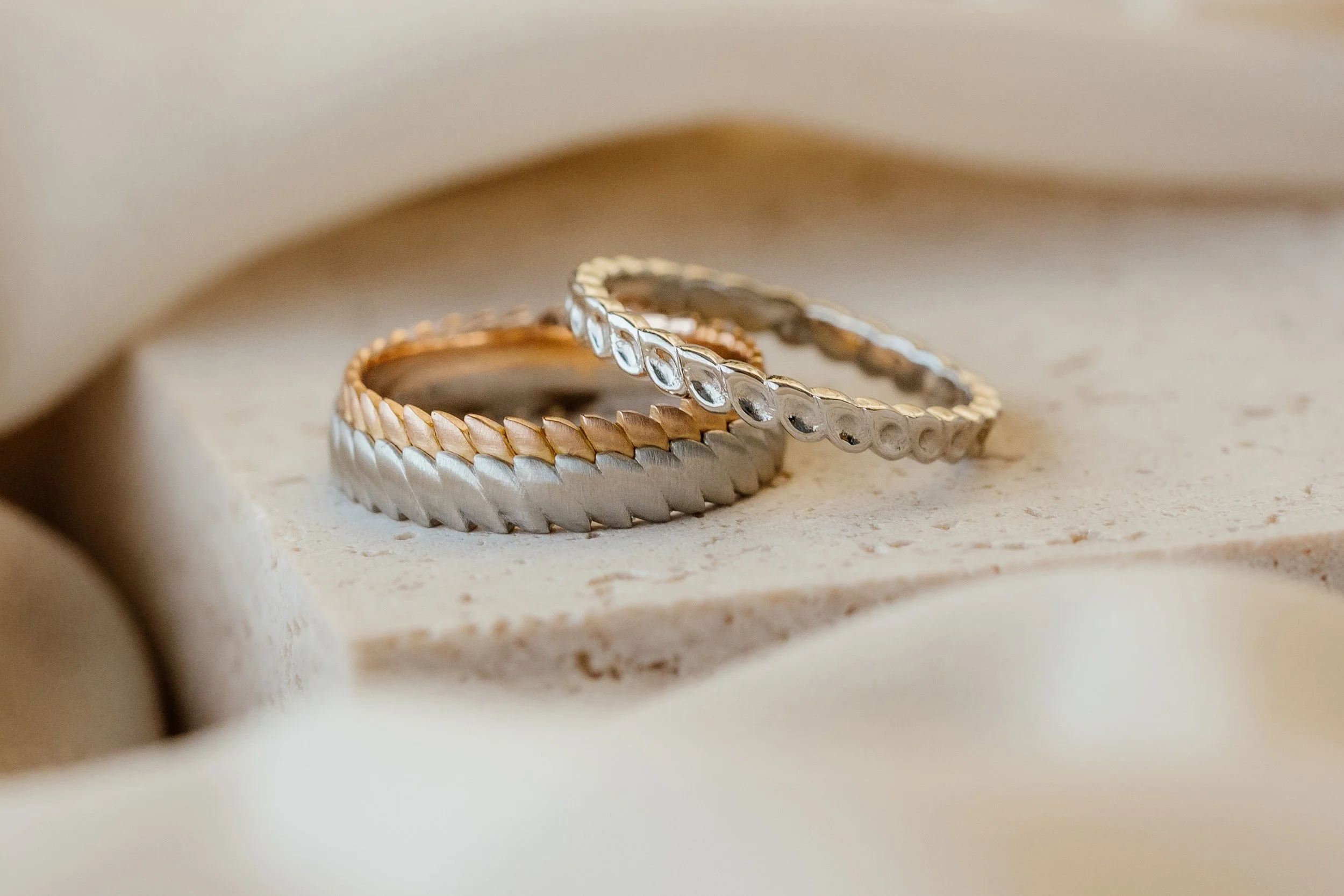
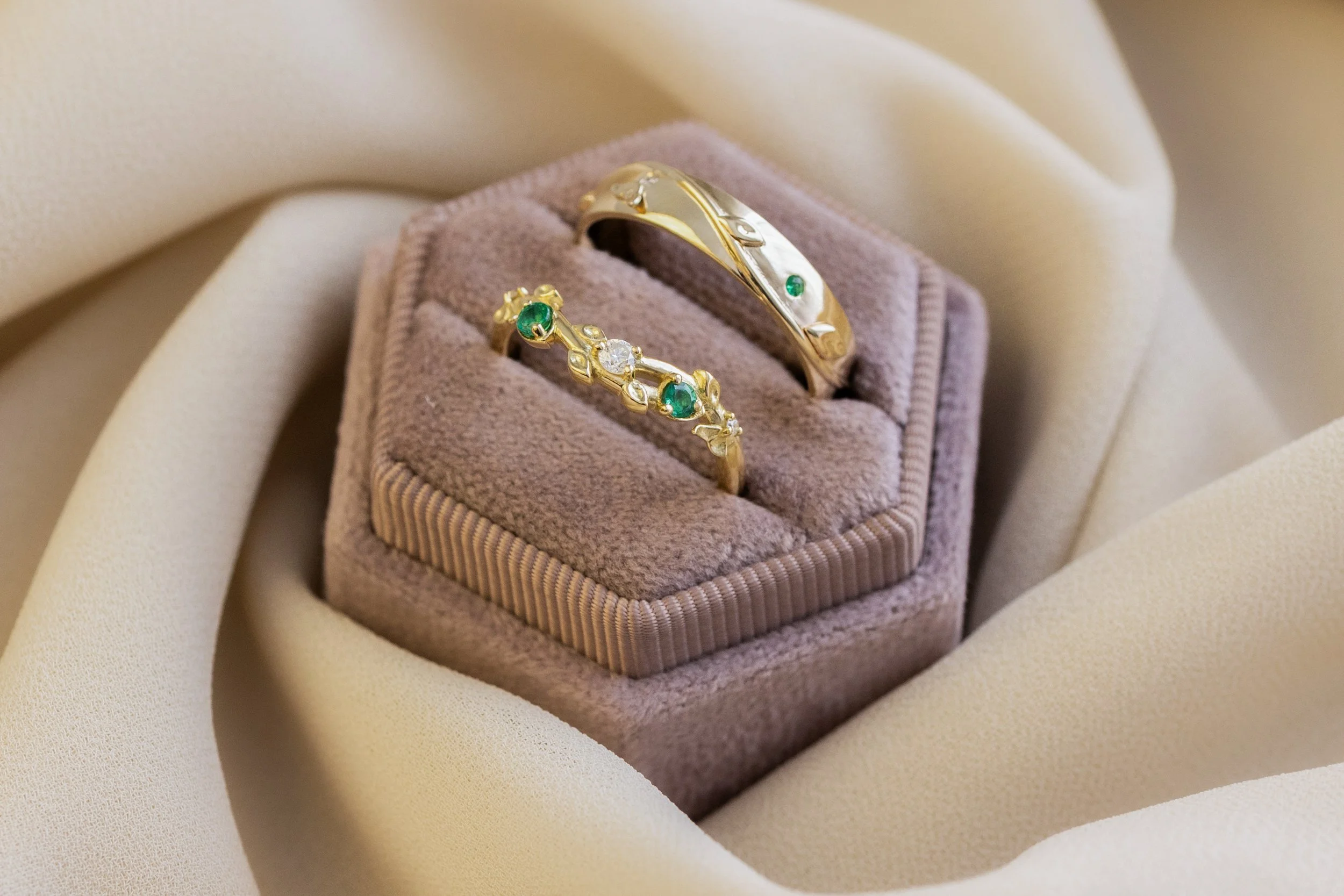
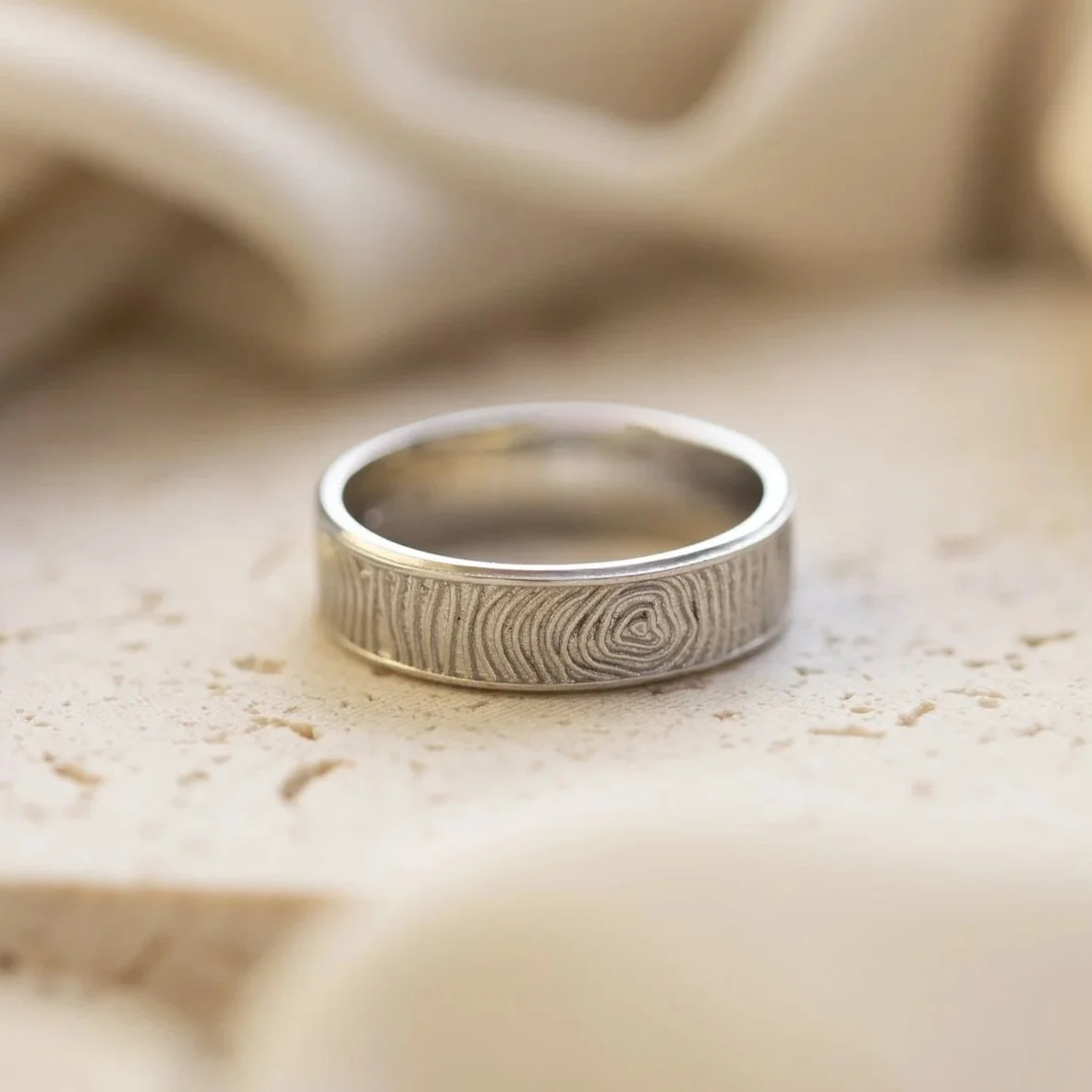
My final thoughts….The £1,057 figure reflects what people spend, but it doesn’t reflect what wedding rings are. To me, they are not just another wedding expense to tick off the list.
They are the one thing you will carry with you long after the day in over.
So whatever your budget, the most important thing is this - understand what you are buying, choose with intention and if you can, invest in something that’s truly made to last. Because your wedding rings aren’t just for your wedding day - they’re for a lifetime.